Showing posts with label literature. Show all posts

Tuesday, July 21, 2026

gods among men

I saw Christopher Nolan's The Odyssey this past opening weekend, which probably wouldn't surprise you if you know that I was once a classicist and recently read the new Daniel Mendelsohn's translation of The Odyssey. My alma mater organized a virtual book club with the Classics department to discuss the text this past spring semester, and even though I inevitably fell behind on the my readings by lecture days (ah, it was like being back in school again), I did manage to finish about a month ago before the movie came out. The only other time I read The Odyssey before this spring was in freshman year of high school, so this was my first time reading it in proem form. The Classics department chose Mendelsohn's translation for this book club because his version preserves the form and feel of the original Greek while still modernizing the language over the Lattimore or Fitzgerald renditions. However, it's Emily Wilson's translation from 2017, which simplifies the poetic form into shorter lines in order to make the language more accessible to modern readers, that primarily inspired Nolan's film adaptation.

Wilson's version opens with the line: "tell me about a complicated man." Complicated is unique to Wilson, with the original πολύτροπος more literally describes this to be a man of "many turns." A movie can be a challenging medium to faithfully render the complexity of a story with so many characters and side plots; between the time constraints and production budgets, I think it's possible to have an epic story or a complex character, but it's impossible to have both. Nolan's Odyssey prioritizes the former, featuring nearly all of the monsters and mystical creatures Odysseus and his men encounter in the first two thirds of the film. The scale of the film is undeniably impressive in its commitment to preserving the odyssey of it all. By my count, only Odysseus's final stop to the land of the Phaeacians was cut from this adaptation so that the lengthy exposition of his journey happens during Odysseus and Calypso's conversations on a deserted beach instead. We learn that Calypso has been feeding Odysseus lotuses to forget what happened to him until one day she finally tells him to stop; it's time to start remembering again. 

The setting where we meet our protagonist for the first time is an endless expanse of sea and sky. Odysseus is all alone save for Calypso—or is he? 

Athena, as played by Zendaya, is the only god presented as a character in Nolan's Odyssey, but even her depiction is made ambiguous. While other gods like Zeus and Poseidon are invoked and it's referenced in one scene that gods may disguise themselves as mortals, at no point are any of the other gods embodied or depicted as actual characters throughout the film. This is a significant departure from all the god-to-god interactions in the original text where Athena appeals to Zeus to help Odysseus or Zeus holds Poseidon back from killing Odysseus at sea, not to mention the god-to-man ones where Athena disguises herself as other characters to convince mortals like Telemachus or Penelope to take action or to grant Odysseus with unworldly abilities or powers. In contrast, Athena in Nolan's Odyssey functions as sort of an angel-on-your-shoulder who is seen by Odysseus only, and perhaps he's only imagining her as a projection of his own guilty conscience. In the final flashback to the sacking of Troy, we see Odysseus watch as his fellow Greeks forcibly take a priestess—portrayed by Zendaya, looking just like Athena as she appears to Odysseus's mind's eye—and behead her.

The omission of the gods fundamentally changes the framing of the story: to remove the gods is to remove the manipulators of fate. In a world where gods can do as they please, a man like Odysseus can be complicated in that morally grey way that comes with hypocrisy, savagery, adultery, and wrongdoing so long as the gods favor you, intervening and allowing you to get away with it. But if there are no gods here scheming in a world apart to shape mortal lives as they see fit, then that means men must face the consequences of their actions on their own. 

Nolan's depiction of Odysseus, a man who struggles with guilt over the destruction he helped bring upon Troy, is only possible in a world where Odysseus feels the weight of the war and the death of his men on his shoulders and struggles to bear it. I'm not sure that this is true of the original text. The movie gives purpose to why Odysseus is stuck on Calypso's island spiritually: Odysseus can't just go home as he is; he wants to return to Ithaca as a good man, one who deserves respect as a king and leader of men. (Whose judgment?) Perhaps he also seeks forgiveness as someone who failed to protect the innocent. (Whose forgiveness?) It's this moral conviction, coupled with a godsless framing of agency in the grand scheme of things, that suggests Nolan has imparted an implicitly Christian interpretation onto Odysseus's character.

Making Odysseus out to be a moral man necessitates sanding down his rougher edges in order to tell a more coherent narrative. He is certainly kinder, more merciful, and more trusting than how I read him in the poem. Can this version really be characterized as complicated though? The movie's Odysseus is stripped of his humor, his hubris, his deceptions, and his penchant for telling lies. Gone too was the penultimate recognition scene between Odysseus and Penelope, where she proves she can out-trick a trickster. On a practical level, Penelope needs to test him in case the man before her is actually a god in disguise; on a spiritual level, she proves that she is truly his equal in cunning intelligence and that the two deserve each other. It was one of the scenes I was looking forward to the most. 

I'm not a purist: I don't think an adaptation is successful only if it remains faithful to the source material. I'm glad Nolan made the story into something of his own, breathing new life in ancient characters and sparking a curiosity among moviegoers to watch this strange and marvelous tale unfold, even if there are elements I wish I saw in this blockbuster rendition. Everyone inevitably brings their own biases and interpretations into the movie theater, so even if the adaptation didn't capture everything I wanted, his version gives me more material to react to when I discuss the film with others and ultimately revisit the joys I once found in studying classics all those years ago. 

xoxo, vivian 

Tuesday, February 3, 2026

on reading better

My resolution for 2026 is to read less.

I've spent the past three years reading at least 75 books a year. It's a neat conversational shortcut when I explain to people why I deleted my Instagram and what I've been doing with my time instead. For what it's worth, there has been a direct correlation between me not using Instagram and reading more books. I replaced countless hours of idle time I would have spent doomscrolling reading whatever book du jour I have on hand and I'm probably overall better off for it. But now three years on, simply reading a lot is getting old. 

What am I trying to prove anyway? I can read 100 books a year. Even if you think my triple-digit reading year was a pandemic and/or grad school fluke (7 of the books I read cover to cover that year were for one Michaelmas term class alone), I read 91 books in a year where I was working a job that does not require me to read books. I know some people are able to hit some impressive book counts by going deep in one or two genres, but that's never been me. I want you to know that I read this much even though I read inefficiently by eschewing genre fluency: while the majority of books I read can be categorized as contemporary fiction, I try to read some sci-fi, fantasy, historical fiction, mystery, and romance in any given year, and at least 20% of my reading is nonfiction, essays, and memoirs. I read foreign books in translation and do my best to pick at least a few books from older decades or even centuries, and I am proud—arrogant, even—about the fact that I push myself to read with more diversity and at a greater volume and faster pace than the vast majority of people would desire to do. 

So it should probably come as no surprise that I have not been reading happily.

I have liked a majority of the books I finish, and I've gotten better over the years at not falling for the sunk cost fallacy and quitting books I actively dislike. But every time I finish a book I didn't really like but forced myself through anyway so I can count it toward my annual book goal, I start questioning why I'm doing this to myself. Am I really out here completing books just to feel a sense of achievement? In my attempt to escape the panopticon of performing for one social media platform, I have somehow managed to turn yet another hobby into a source of self-consciousness; this is why we (or rather I) can't have nice things.

The incident that really set me off a couple weeks ago on this crisis over my reading habits was actually more about books I liked but didn't love: there have been so many books over the years that were just fine but have left no impression on me whatsoever after the fact, to the point where my Kindle loan syncs or I check my Goodreads and it hits me that I have already read that book two years ago. Not every book is worth remembering, but I think I've gone too far in the opposite direction where I'm not really processing the books I really loved in ways that they deserved, and I want to do a better job of sitting with the books I read more at the cost of reading fewer books overall. 

I want to read with more intention this year, so here's what that means to me:

1. Read books I've been putting off

I am mostly thinking of Middlemarch, a book I have owned for six years now and barely made a dent in because I am always prioritizing library loans and because the size and scope of it intimidates me. Other books in this category tend to be classics I haven't gotten around to yet for one reason or another: Jane Austen (Emma, Persuasion, Northanger Abbey), Crime and Punishment, The Remains of the DayMadame Bovary, maybe even 《红楼梦》—I read the last one in college in translation, so the original Chinese would be new to me and also a real challenge. 

2. Read books that interest me

This seems like it should be a no-brainer criteria, but I need to be more judicious in selecting books in the first place based on what I actually like or am intrigued by, rather than what other people think. I give too many books a shot because I read relatively quickly but this actually hurts me in the long run: I'm more likely to enter a reading slump after reading a book I don't like, while the ones I do motivate me to want to chase the same high of finding more books that do it for me. I want to be relentlessly discerning in what I'm spending my time on, even—especially—if it means I read slower and abandon even more books.

3. Reread books

I rarely reread books, so the ones I do deign to reread are ones that were important to me the first time around. Rereading old favorites feels like I'm revisiting past versions of myself. One of my favorite reads of 2025 was also my favorite read of 2014—I loved The Secret History as much as I did the first time, and it was such a different experience having read it over a decade later on the other side of university and studying classics. I've been thinking about my classics education more lately, maybe because I'm also rereading The Odyssey with Berkeley's Arts & Humanities department book club. I first read The Odyssey in freshman year of high school half my life ago, and the story itself is older than anything else I've ever read. I'm interested in discovering new ways of interacting with the same texts to better understand how my favorite books have changed for me even when the words remain the same.

4. Build discipline in reflecting on what I read

I was pretty consistent about taking notes on what I read in 2022 but abandoned this effort in 2023 around the time my reading pace really started picking up.  I check out nearly all of the books I read from the library as ebooks, so not having easy access to the books I've read makes it that much harder to revisit books in the first place. I wish I kept it up these past few years because it helps me process my thoughts on what I'm reading so I can react properly to what I'm reading and have something to look back on someday in the future.

5. Read less, and do something new

It's great that I converted some phone screen time into reading. Maybe it's time to convert reading time into doing other things now too.

So here's to reading less than 75 books this year. 

xoxo, vivian

Friday, December 30, 2022

forget what I had in mind

It's the end of the year and I'm back in Seattle for another week and a half. These six-hour flights feel like they're getting longer, but maybe I'm just out of practice from traveling coast-to-coast. Being back where I started this year sharpened the contrast between me at the start of this year and me now. 

I was originally planning to make this another year-end book roundup, but in the spirit of creating better best-of lists, I've decided to reflect on some other highlights of 2022 too. 


BESTS

Best walk I went on: New York in August, from Midtown to Tribeca

I love visiting New York, but I can't see myself happily living in New York. Visiting New York once every few months preserves the magic of the city for me without letting the small things wear me down: the smell of the subway stations, having to find time to do laundry, the lack of big, open spaces that feel like they belong to you. August was the first time I spent more than a full week in the city, and that day that I'm thinking of made me feel like maybe this was the kind of day I could have countless iterations of if I just moved there properly. But maybe then it would be the kind of day I wouldn't remember on its own, just another night in a blur of street lamps beneath skyscrapers.

We started the night at my friend's apartment in Midtown heading out for a late dinner. The sun had set about half an hour before we hit the pavement, which meant that the heat was finally dissipating into a bearable kind of balmy night, a welcome reprieve from the heat wave earlier that week. Sean made a good point about how summer nights on the East Coast feel better because you don't have to worry about a precipitous temperature drop after sunset. It wasn't any of our first summers on the East Coast by that point, but we still felt like we couldn't comfortably call this home yet.

The thing that made this walk stand out to me isn't so much the walk on its own but everything it reminded me of after the fact: how much less lonely this city walk felt compared to my last walk across London last summer (from Soho to Bermondsey, walking mostly along the Southbank side of the Thames after crossing the Golden Jubilee Bridge); how many more friends I now have on this side of the country compared to three or four years ago; how so much can change in five years, six years—but here I was, on a long walk with my friend I used to go on long walks with at the Berkeley marina and my boyfriend I was (re)introduced to last summer by Sean, taking in the city lights.

Best new habit: Working out regularly

George taught me how to lift this year and I'm the strongest I've ever been. Thanks for bringing me with you to your gym and using all your free guest passes on me. The biggest shift has been mental: these workouts feel good in a way that I couldn't figure out how to achieve when I used to push myself through weekday 6am spin classes (the cheapest ones on ClassPass outside of my regular work hours). 


Best art experience: Montreal Museum of Fine Arts Nicholas Party L'heure mauve

Nicholas Party's "mauve twilight" collection brought together dozens of different pieces by Party and works by other artists in the MMFA's collection, arranged by color across various rooms tied together by palette and thematic resonance with nature. This exhibit had a good balance of texturally soft pieces with occasionally unsettling sculptures or portraits interspersed. It was deeply satisfying to walk through the color coordinated rooms. 

Best thing I cooked this year: Three ingredient tomato sauce

This pasta sauce is very tasty and so incredibly easy to make to the point where I don't think I can ever use store-bought jars again. I came across this recipe years ago and made it once, but it wasn't until this year that I started making it on a regular basis. I love how simple but balanced this recipe is: the sunny brightness of the tomatoes with the smooth fat of the butter and the aroma and flavor of the onion all pair beautifully together.

I always halve this recipe (enough for two people with big appetites, possibly up to four if you're having this as a side dish), using one 14.5 oz can of tomatoes, half an onion, and about a quarter of a stick of butter. My favorite pasta shape for this sauce is bucatini. Cook the pasta to almost al dente and then finish simmering it in the sauce with a bit of pasta water. Serve and garnish with parmesan. 


Best rediscovery: That I can still ski 

I went skiing last week for the first time in thirteen years. It was gratifying to feel the muscle memory kick in; forgetting how to ride a bike last year really made me doubt if I had muscle memory for anything I haven't done in more than a decade. I'm lucky that I learned to ski before I came to terms with how scared I am of falling. I think what really scares me is the thought of losing control. Skiing feels like a balancing act of being in control and then losing it just enough: you trust that your body will move the way it's supposed to while you chase the rush of gliding down the mountain. 

This recent trip gave me the confidence to step out of my comfort zone and left me with a better understanding of my relationship with fear. I also discovered the joys of après-ski and watching eight inches of snow fall in a day. Even though I don't live close enough to the mountains to go regularly anymore, I'll travel seven hours to do this again someday. Here's to hoping that my next ski trip won't happen during another arctic overflow.

BOOKS
I read and I forget. There are simply too many books in the world I want to read and not enough time to read them all. I've recently come to realize that I have a below-average retention of most of the media I consume unless if I write my thoughts down somewhere where I can come back to reference later. So since the start of this year, I've made an effort to record my quick thoughts on books I read as I finish them so that I have some notes to look back on. Here are some of my book highlights of the year:

Couldn't put it down: the Cormoran Strike series, but especially Troubled Blood, by Robert Galbraith

The Cormoran Strike series got me out of a reading dry spell this summer after I came across the TV adaptation (Strike) on HBO. I read the first three in rapid succession one winter in Beijing years ago and the latest two this year, and every book in this mystery/true crime series has been a page turner for me. The main characters, Cormoran Strike and Robin Ellacott, are likable and developed slowly across volumes in a believable way, and most of the self-contained mysteries themselves are complex enough to build momentum without abrupt shock-factor twists. The revelations are well-paced and feel earned. While I admittedly haven't read many mysteries, these books have consistently been ones I've had the most fun reading, even for the ones where I wasn't that into the premise. 

If you're only going to read one, The Cuckoo's Calling (book one) is the most approachable but my personal favorite is Troubled Blood (book five). Troubled Blood had the most gratifying slow-build character development for Cormoran and Robin running in parallel to the unraveling of a decades-old cold case that takes the two detectives across Cornwall and London. The sheer size of this book was intimidating but I finished this one in under a week, faster than some of the "normal" 250-page novels more frequently found on my reading list. 

Comfort read: 
Either/Or by Elif Batuman

I read this book in September around the peak of back-to-school nostalgia season, and this book is refreshing and funny about all the anxieties a precocious 19 year old entering her sophomore year of undergrad feels about the confines of the world around her. The protagonist, Selin, is immensely relatable as an awkward immigrant kid at an elite university falling in love with college for being what it is:

How brief and magical it was that we all lived so close to each other and went in and out of each other’s rooms, and our most important job was to solve mysteries. The temporariness made it all the more important to do the right thing—to follow the right leads.

The title of the book comes from Kierkegaard’s Either/Or, in which "either, then, one is to live aesthetically or one is to live ethically." Selin frames the philosophical lesson from her literature classes to reexamine her life as a student at Harvard in the 1990s, finding "the idea of an aesthetic life to be tremendously compelling. It was the first time I heard of an organizing principle or goal you could have for your life, other than making money or having kids." Selin has the kind of thoughts on life you can only have when you're still coming into your own in young adulthood, pondering questions about life and all the awkward growing pains that come with independence, while you still have the luxury of spending your days listening to brilliant professors teach new ideas that change the way you look at everything, from how you email your crush to deciding to go abroad for the summer. The writing was thoughtful, funny, and the right amount of pretentious, just enough to pique your curiosity to peek at the Works Cited list at the end of the book for a syllabus of recommended reading. 

While technically this book is a sequel to Elif Batuman's The Idiot, I felt like I came at it as a standalone novel because I read The Idiot two years ago, and as I said, I read and subsequently forget. Read one, read both, read them next September. 

A book I'll remember for a long time: The Lonely City by Olivia Laing

The Lonely City is part biography, part cultural criticism, and part memoir on loneliness in art. Laing’s memoir parts were the parts that hit home the hardest. There were times, especially in cities I didn't have anyone in, when I felt like my loneliness would swallow me whole. Even though it never stayed that way for long—the way it must have consumed the artists she writes about—the experience of new city loneliness preoccupied my thoughts when I was by myself in those places.
I wanted very much not to be where I was. In fact part of the trouble seemed to be that where I was wasn’t anywhere at all. My life felt empty and unreal and I was embarrassed about its thinness, the way one might be embarrassed about wearing a stained or threadbare piece of clothing. I felt like I was in danger of vanishing, though at the same time the feelings I had were so raw and overwhelming that I often wished I could find a way of losing myself altogether, perhaps for a few months, until the intensity diminished. if I could have put what I was feeling into words, the words would have been an infant’s wail: I don’t want to be alone. I want someone to want me. I’m lonely. I’m scared. I need to be loved, to be touched, to be held. It was the sensation of need that frightened me the most, as if I’d lifted the lid on an unappeasable abyss. 

The first time I moved to DC I spent my first week delirious from actual jet lag and metaphorical motion sickness, trying very hard not to think at all. I just needed to get through each day with a sense of routine. The people I told about what I did said I was brave for everything I mustered up the courage for that month, and the people I didn’t wouldn’t have guessed. I wrote somewhere two months in that I was getting good at pretending like there wasn’t this gaping hole in my chest. I’ll fake it every single day until I don’t need fantasy / until I feel you leave. But in those moments when I caught my eye in my own reflection I couldn’t help but wonder why I wasn’t enough, and when I would ever get to a point in my life in this new city where I finally felt close enough to someone to spill my secrets to, someone I didn’t have to hop on a four hour bus or five hour plane ride for just for a hug.

The second time I lived in London was good until midsummer when the few friends I made during the height of the pandemic moved away one after the other. I had those lines from Lorde’s "Ribs" this dream isn’t feeling sweet / we’re reeling through the midnight streets / and I’ve never felt more alone / it feels so scary, getting old stuck on repeat in my head in those moments of alone-ness in London last summer: this dream isn’t feeling sweet / this dream isn’t feeling sweet / this dream isn’t feeling sweet—

because in the end, London without the people I loved was just another concrete jungle when you strip it of sentiment. It was just a city, and going home back to my second flat every night made me want to go home properly after all, for the first time in my life, until that became the only thing I could think to do to reset my life again, even if it meant giving up on a dream I had for the better part of the past decade. 

Those periods of loneliness never lasted as long as I thought they would when I was right in the middle of it all. But reading this book captured what it was like, and for a moment there my breath catches, remembering.

While the memoir transitions were my favorite part of this book, most of The Lonely City is about artists and art, and how art is inseparable from history and politics. Works about art are really a question about why art, and Laing answers: "the way I recovered a sense of wholeness was not by meeting someone or by falling in love, but rather by handling the things that other people had made, slowly absorbing by way of this contact the fact that loneliness, longing, does not mean one has failed, but simply that one is alive."

We create for ourselves and for other people, so that maybe someday, someone, somewhere, might possibly connect with what we have to offer up. "What matters is staying alert, staying open, because if we know anything from what has gone before us, it is that the time for feeling will not last."

Honorable mentions:
  • Writers & Lovers by Lily King
  • Regarding the Pain of Others by Susan Sontag
  • Drinking Coffee Elsewhere by ZZ Packer
  • Last Summer in the City by Gianfranco Calligarich
  • The Raven Cycle series by Maggie Stiefvater
  • Sea of Tranquility by Emily St. John Mandel
  • Babel by R.F. Kuang
What were some of your bests and books of this year? Let me know; I'm collecting recommendations for 2023. In the meantime, happy new year!

xoxo, vivian

Sunday, December 27, 2020

reading 100 books a year

Some exciting news to round off this year: I have now read 100 books in 2020!

I already wrote about reading 50 books a year when I hit my original reading goal in August; not a lot has changed about my overall reading habits, aside from maybe the volume and pace. I wasn't planning to reset my goal to 100 because I expected my appetite for reading for fun would diminish once I started grad school in September, but I truly underestimated how much the 14-day self-isolation and now my second lockdown since moving to London would make me read more just to stay sane. 

To reflect a bit on what I've read and to attempt to answer the question "do you have any recommendations?", I categorized a few dozen books I've enjoyed over the years for your consideration. Most of these recommendations are fiction, although there are a few nonfiction titles scattered throughout as well. I'm still working on reading more nonfiction in general so I don't have a comprehensive list to draw from at the moment, but I'm hoping to change that in the years to come. 

Let me know if you have any book recommendations for mewould love to hear them! 

books for getting lost in: 
  • 1Q84 by Haruki Murakami
  • The Shadow of the Wind by Carlos Ruiz Zafón
  • Stories of Your Life and Others by Ted Chiang
  • The Story of the Stone by Cao Xueqin (trans. David Hawkes) 
  • The City We Became by N.K. Jemison
  • A Song of Ice and Fire series by George R.R. Martin

books to remember, so that we may never forget:
  • Never Let Me Go by Kazuo Ishiguro
  • On Earth We Are Briefly Gorgeous by Ocean Vuong
  • Call Me By Your Name by André Aciman
  • Pachinko by Min Jin Lee
  • In the Dream House by Carmen Maria Machado
  • Atonement by Ian McEwan
  • The Bell Jar by Sylvia Plath

books to feel nostalgic for a past you* wish you had: (*if you're like me, anyway)
  • Slouching Towards Bethlehem by Joan Didion
  • The Secret History by Donna Tartt
  • If We Were Villains by M.L. Rio
  • Eve's Hollywood by Eve Babitz
  • The Beautiful and the Damned by F. Scott Fitzgerald

books that feel like a fever dream:
  • Into Thin Air by Jon Krakauer
  • Godshot by Chelsea Bieker
  • The Paper Menagerie and Other Stories by Ken Liu
  • Severance by Ling Ma
  • Annihilation by Jeff VanderMeer
  • The Dreamers by Karen Thompson Walker
  • Neverwhere by Neil Gaiman

books to make your jaw drop:
  • Invisible Monsters by Chuck Palahniuk
  • The Sympathizer by Viet Thanh Nguyen
  • White Ivy by Susie Yang
  • The Rook by Daniel O'Malley
  • How Much of These Hills Are Gold by C. Pam Zhang
  • My Dark Vanessa by Kate Elizabeth Russell

books with fascinating protagonists:
  • Gone Girl by Gillian Flynn
  • The Basic Eight by Daniel Handler
  • The Idiot by Elif Batuman
  • Circe by Madeline Miller
  • Alias Grace by Margaret Atwood
  • Middlesex by Jeffrey Eugenides
  • The Kiss Quotient by Helen Hoang
  • Transcendent Kingdom by Yaa Gyasi
  • Saving Fish From Drowning by Amy Tan

books that complicate the way you see the world:
  • Interior Chinatown by Charles Yu
  • Americanah by Chimamanda Ngozi Adiche
  • Before the Coffee Gets Cold by Toshikazu Kawaguchi
  • White Teeth by Zadie Smith
  • If I Had Your Face by Frances Cha
  • Little Fires Everywhere by Celeste Ng
  • There There by Tommy Orange
  • The Unbearable Lightness of Being by Milan Kundera

xoxo, vivian

Monday, August 10, 2020

subjects are always revealing themselves

"Although photography generates works that can be called art—it requires subjectivity, it can lie, it gives aesthetic pleasure—photography is not, to begin with, an art form at all. Like language, it is a medium in which works of art (among other things) are made."
Susan Sontag, On Photography 

I started shooting film photography in the summer of 2015 when I got bored with words.

Film felt like the perfect medium for the overexposed nostalgia I had in mind: I wanted to create things that could capture the soft brightness and dramatic shadows cast by figures beneath the California sunshine. I liked the grainy texture and how imperfect it looked in contrast to the sharp and perfectly staged photos people liked to post on Instagram then. Something about the look of film photos in the digital era seemed effortlessly beautiful and anachronistic, and I wanted something that would visually capture the ephemerality of the moments I wanted frozen in time. 

Susan Sontag argues that all photographs are memento mori: "precisely by slicing out this moment and freezing it, all photographs testify to time's relentless melt." This feels especially true of film photography with its inevitable time gap between when a photo was taken and when you can actually see how your photos developed. Shooting film has made me more aware of the disorientation between being present and preserving a moment.

While the act of taking a photo doesn't require prescience of the reality and surreality of the exact moment you press down on the shutter, it exists nonetheless. On Photography is an essay collection that explores how captured images have transformed our relationship between experience and reality. Even though the book was first published in 1977 and photo-taking technology has advanced considerably, her ideas still feel contemporary. 

One of the major themes explored throughout the collection is whether or not photography is art the way realist paintings are. It can be, if the photographer sets out to reveal beauty, Sontag concludes in "The Heroism of Vision": "The history of photography could be recapitulated as the struggle between two different imperatives: beautification, which comes from the fine arts, and truth-telling, which is measured not by a notion of value-free truth, a legacy from the sciences, but by a moralized ideal of truth-telling, adopted from nineteenth-century literary models and from the (then) new profession of independent journalism." 

But for most people, photography is a means to ends rather than an art form unto itself. In her first and most famous essay of the collection, "In Plato's Cave," Sontag explores our uneasy relationship with the power and anxiety photography gives us: "Like every mass art form, photography is not practiced by most people as an art. It is mainly a social rite, a defense against anxiety, a tool of power." Photography becomes a tool for record-keeping, from wedding pictures and family portraits to mementos from travels abroad and important life moments. It's proof that you were a part of something, evidence that you were there, and what you saw would be remembered forever; "they are an attempt to contact or lay claim to another reality" that no longer exists as the moment you hit the shutter. 

Sontag related the increasing universality of cameras in the 1970s as a reflection of society's increased obsession with images as they replicate—and potentially replace—reality: "Needing to have reality confirmed and experience enhanced by photographs is an aesthetic consumerism to which everyone is now addicted. Industrial societies turn their citizens into image-junkies; it is the most irresistible form of mental pollution." Her criticism has only grown more trenchant in the last half century; cameras and image sharing technology have seen rapid improvements over the years, from the development of automatic features and compact point-and-shoot film cameras of the 1980s and 1990s, to the advent and accessibility of digital cameras and sharing media on the internet by the 2000s, and the proliferation of smartphones and increasingly advanced camera technology of the 2010s through the present day. We are more image-obsessed than ever. 
A capitalist society requires a culture based on images. It needs to furnish vast amounts of entertainment in order to stimulate buying and anesthetize the injuries of class, race, and sex. And it needs to gather unlimited amounts of information, the better to exploit natural resources, increase productivity, keep order, make war, give jobs to bureaucrats. The camera's twin capacities, to subjectivize reality and to objectify it, ideally serve these needs and strengthen them. 
In the final essay "The Image-World," Sontag explores the resultant power dynamics of ubiquitous images in an advanced industrial society, with observations of both China, where the camera is used as a tool for surveillance, and the Western capitalist world, where it is used as a means for spectacle. While the twin uses are by no means mutually exclusive, Sontag revealed our that human obsession with photographs have always fundamentally remained the same. 

There is an urge to say "it's not that deep" in response to Sontag's sweeping arguments. Maybe it isn't. Most people take and share photos for the sake of it and don't have any reason for why photography. But the way in which today's influencer culture has turned our image-dominant social media into a commercial space where personhood can be distilled into a product scares me. 

Reading Sontag is comforting somewhat: at least someone examined and forecasted the hunger for image consumption years before the founders of Instagram were even born. At least someone understood how it feels to want visual evidence to be perfectly preserved, illuminated by a split-second flash and fixed forever. At least someone recognized both the significance and the mundanity of photography and wrote about it more eloquently and thoughtfully than I ever could. 


xoxo, vivian

Pandemic portraits by Kyle on Kodak Portra 400. May 2020.

Wednesday, August 5, 2020

reading 50 books a year


As of this week, I met my reading goal of fifty books this year with almost five months to spare.

Although the outbreak of COVID-19 certainly freed up more reading time for me overall, I started this year with the intention of not focusing on meeting a number count. While I have read 50 books a year on average for the last four years, I wanted to break that threshold as a personal goal. However, after failing my last two annual reading challenges where I increased my goal to 60 (54/60 in 2018 and 47/60 in 2019), I felt like I needed to re-evaluate my reading goals in the first place. 

While I love using the Goodreads challenge as a way to easily log books I've read over the years, the focus on hitting a sheer number of books/year felt superficial. There were times where I've trudged through books I didn't enjoy just to say that I "finished" them to count towards my running total; other times, I would finish a long, complex nonfiction book (like Howard Zinn's A People's History) and feel like it didn't "count" as much as it should have, because it was weighted the same as the light, breezy novels I could finish in a sitting. 

I was also more conscious of when my reading pace would ebb and flow. The more I struggled my way through a book I wasn't enjoying, the less I wanted to read at all. I was consistently going through months-long reading slumps every year, and while sometimes it aligned with whatever else was going on in my life at the time, they were also in part due to discouragement by books I didn't like. Conversely, whenever I read a book so engrossing I couldn't put it down, I felt inspired to look for more titles or start new books and would get through two or three titles in a week. 

For 2020, I made it my goal to only read books that I was excited about. I also expanded the genres and types of books that I would read, which allowed me to both vary up the texture of my reading as well as set up a more steady stream of new books in my to-read queue. Finally, I started actively seeking out and reading more recommendations from friends so I had the conversation about those books afterwards to look forward to.

Ironically, these changes resulted in my most productive year in reading in recent memory. Since I've been tracking my reading and subsequent habits fairly meticulously for five years or so now, I figured I'd write up some of my "strategies":

1. Read multiple books simultaneously

I am always actively reading at least two books at once. Part of this is simply because I almost always have multiple library loans out at any given time; since I am constantly operating on a 21 day loan period, the impending deadlines give me a sense of urgency to finish books before they're due. 

While I used to read only one book at a time, I adapted to reading multiple books at once because my focus levels vary throughout the day. I'm more of a morning person, so I have a greater ability to focus in the morning and early afternoon before my mind slows down considerably by evening. This way, I can maximize my attention span and get more out of my daily reading.

I am better able to process denser text earlier in the day, so I'll read expertise-building nonfiction (recent subjects include: foreign policy, US history, economics, the environment) or certain works of fiction (the ones I've read this year in this category were in translation: Milan Kundera's The Unbearable Lightness of Being and Albert Camus' The Plague) in the morning or during my lunch break at work. I save lighter reads―memoirs, contemporary novels, pop nonfiction, essay collections, basically anything that is easy to pick up again and get right into―for after work hours on weekdays or evenings on weekends.

2. Read different genres

The other main reason I adapted to reading multiple books at once was because I started reading more nonfiction and I found that I got more out of my nonfiction reads when I didn't try to read them all at once. By reading a chapter or two at a time, I was better able to absorb more content within those couple of chapters in the short term and later convert that into long term memory. 

This strategy is important to me because it helps me qualify the two main reasons why I read in the first place: knowledge building and pleasure. Obviously there is a lot of crossover between the two, but for functional purposes this distinction helps me approach different books in different ways. Although on average I've been reading around 50 books a year for the last few years, I rarely read at the pace of 1 book/week because I am constantly switching up genres. (My reading patterns are more like: finish 3 books in one week, and then go 2-3 weeks without finishing another book.)

I admit that switching between genres (such as going from urban fantasy to cultural criticism essays to contemporary fiction for my "for fun" category, and French existentialism to global catastrophic risk to surveillance capitalism for my "knowledge building" category) can actually slow your overall pace down because you have to code-switch frequently and build fluency across genres; there is always new jargon and style to learn, and getting used to the difference in pacing can take time. So if your priority is to increase the overall number of books you read per year, and you also happen to like reading a specific kind of book, you could probably maximize your overall total by reading similar books and build fluency in that area. 

For me though, the genre-hopping is part of the fun of reading a few dozen books a year. While I know what I like, I want to challenge myself to discover new things and perspectives I didn't know about. I usually ask my friends what they're reading or if they have any recommendations. I'll also sometimes pick up one of my boyfriend's books lying around our apartment when I'm looking for something new. 

3. Use the public library system or support indie bookstores

For someone who loves books a lot, I really don't own many physical copies of them. Owning physical books is a commitment, and I am not in the right place in my life for that yet; I've moved across the country a number of times in the last few years and will soon be moving overseas later this year, and as much as I would like to have copies of my favorite books with me in every new place I call home, it isn't very practical to take all those books with me wherever I go next.

Growing up, my mum would take me to my hometown public library at least twice a week because it was on the way home from school. To this day its website remains one of my top visited sites (thanks to their extensive collection of ebooks on Overdrive) even when I can't regularly visit my hometown branch in person anymore. Even if you aren't able to regularly visit your local library in person, I highly recommend checking out ebooks for titles you're interested in.

Although I've had to wait longer periods of time after hot new book releases (looking at you, Becoming by Michelle Obama), using the hold system naturally queues up my to-read list so I have a steady stream of new books to read. I find that even when I buy books I'm excited about I tend to prioritize library loans first; they're due in three weeks, while the books I buy are mine forever. I've been reading Jostein Gaarder's Sophie's World for over a year now because I own it and only pick it up during lulls in library loans.

If you do prefer buying books though, please support your local, independent bookstores! Like public libraries, a lot of great local bookstores are community-oriented, host a variety of events with authors on book tours, and curate their collections beyond just the top bestsellers. When I was still working at my office, I would frequently visit Kramerbooks & Afterwords in DC for new titles to reserve at DC Public Library.

If you're in the United States and want to order books online, I recommend Bookshop, which donates a portion of its sales to the local brick-and-mortar bookstore of your choice or splits the profit across a pool of indie booksellers. 

4. Read everywhere 

I don't really have a time of day that I set aside to read; I just read whenever I can and feel like reading. I will read first thing in the morning, while eating meals if I'm eating alone, whenever I'm not busy with something else at home, while doing other things at home if my hands aren't too busy (waiting for water to boil while cooking; having pages open while folding laundry), and until I fall asleep at night. 

The last one was a habit I developed in college: because I always had at least one roommate sharing the same bedroom with me, I could never keep a lamp on to read physical books in bed. I ended up getting an iPad so I could read backlit ebooks with black backgrounds and grey text. (My eyes have probably suffered over the years as a result.) As much as I enjoy reading physical books, ebooks are just so much more convenient for my lifestyle.

One place I do not read is on public transportation. Although I obviously don't have a commute at the moment, I am very jealous of everyone who doesn't experience major motion sickness while reading on trains and buses. 


I'll try to write up a year-end post on my favorites in a few months, so for now I'll leave you with a quick snapshot of my favorites from my 2020 read list so far (no particular order):
  • Trick Mirror: Reflections on Self-Delusion by Jia Tolentino
  • If We Were Villains by M.L. Rio
  • How to Talk About Books You Haven't Read by Pierre Bayard
  • The Age of Innocence by Edith Wharton
  • The White Album by Joan Didion
  • Consider This: Moments in My Writing Life After Which Everything Was Different by Chuck Palahniuk
  • The City We Became by N.K. Jemisin
  • War on Peace: The End of American Diplomacy and the Decline of American Influence by Ronan Farrow
I'm always looking for new books to read! Let me know what books you've enjoyed recently. 

xoxo, vivian

Friday, May 22, 2020

it's not enough to feel the lack

One of the silver linings to shelter-in-place has been having more time to read. I've noticed that other people in my library system feel the same way: all of my library ebook loans have been coming weeks ahead of schedule these days so I'm usually reading multiple books simultaneously when I'm not busy with work. I've read a lot of great books lately, and in the spirit of Asian American Heritage Month, I wanted to highlight some of my favorites by Asian American writers who complicate the representation of Asian American identity.


Everybody talks about Pachinko, but Min Jin Lee's Free Food for Millionaires is the book I wish I had discovered five years earlier when I really needed more stories about protagonists with ravenous ambition and no sense of real purpose to point her due north. I saw a lot of myself in Casey Han, the Korean American protagonist, as she navigates her mid-twenties as a young professional in Manhattan. The novel itself is fun: the cast of characters and their subplots remind me of some of my favorite TV dramas with their moneyed lifestyles, illicit affairs, scandals and family intrigues. But what makes this novel so good is the way Lee's characters migrate across cultural, intergenerational, and socioeconomic borders as well, channeling the overarching themes that make being Asian American feel so fraught.

From the very first chapter, Casey struggles to relate to her immigrant parents' dreams for her bound by their definitions of success. She craves the easy comfort of the American Dream, that life could be whatever you make of it, and yet she doesn't know what to do with the accumulation of guilt from letting her parents down with her life choices again and again. And for what? The most frustrating part is that she doesn't even know what it is she really wants for the majority of the novel, and that casts doubt on whether fighting with her parents has been worth all the pain in the first place.

The unnamed narrator in Chemistry by Weike Wang faces a similar dilemma. She is so close to having everything she's supposed to want—a proposal from her successful and supportive boyfriend, the prestigious PhD in chemistry, and the hard-earned approval from her Chinese immigrant parents—but instead of reveling in it, she slowly abandons it all instead. The narrator is paralyzed by a newfound sense of ambivalence towards her picture-perfect life, and over the course of a year she struggles under the weight of having to live up to her parents' success:
"My father's is the classic immigrant story. 
He is the first in his family to go to high school and college and graduate school and America. He is the first to become an engineer. 
Extraordinary, some people have said when he speaks now of how he got here. 
Through hard work, he says, and the learning of advanced math. 
Amazing, others have said. But such progress he's made in one generation that to progress beyond him, I feel as if I must leave America and colonize the moon." 
Stylistically, Chemistry is like a book of proverbs on navigating the gulf between other people's expectations and finding your own way forward. Like Free Food for Millionaires, this novel contemplates the cultural heritage of filial piety with American values of self-determination and individualism. How do you reconcile the person your parents want you to be with the person you're discovering you actually are? As the child of immigrants, are you personally obligated to live your life in a way that makes your parents' sacrifices worth it?

I am grateful for E.J. Koh's memoir The Magical Language of Others for telling what feels like a nontraditional immigrant story but is heartwarming all the same. In some sense, Koh's story is a reversal of the unnamed narrator's in Chemistry. Rather than valorizing the ways in which immigrant parents sacrifice their best life so that their children have a better chance at success, Koh's parents are the ones who ask their children to let them go pursue better opportunities and leave them behind.

Koh has to shape her selfhood around the absence of her parents' immediate presence starting from the second half of her teenage years: after immigrating to the United States and establishing a successful career in the Bay Area, Koh's parents leave her and her brother behind in California while they go back to pursue an even better professional opportunity in Korea. The offer was supposed to be only three years, but as the company extends their timeline for more years to come, Koh recounts stories from her late teens and early twenties with letters from her distant mom interspersed throughout.

With improved Korean language skills and the benefit of hindsight, Koh discovers her mother's desire for forgiveness and her daughter's love through translating the box of letters over a decade later. Love is expressed in both the tender, explicitly written love you miss yous and the sheer act of writing about the daily vignettes in an attempt to share a life from thousands of miles away.

But how do you share your love and your life with your mom when language is doomed to fail you? Ocean Vuong's On Earth We're Briefly Gorgeous is a beautiful and haunting semi-autobiographical novel that's framed as a letter from a son to his Vietnamese immigrant mother:
"Dear Ma, I am writing to reach you—even if each word I put down is one word further from where you are."
This is a novel about trauma, race, violence, masculinity, war legacies, drug addiction, and sexual identity; it's also a story about love and identity and what it means to become American. Vuong strikes an extraordinary balance between the big, sweeping themes and the intricacy of all the details that make a life feel true. The main character, Little Dog, tells the story of his life to his mom in richly poetic English, despite the fact that she only knows basic Vietnamese and is completely illiterate in both languages. The lack of a common language underscores the desperate desire we have to be seen, to be known; sometimes the ones we wish would understand us the most are the ones who never truly will.


In addition to these four titles, I put together a quick spreadsheet with about sixty other books by Asian and Asian-heritage writers I've read over the last five years here. If you've read and loved any of these books, want to know more about any of these books, or think I'm missing a book (or two, or ten) in my repertoire, let's talk!

xoxo, vivian

Monday, December 11, 2017

all of you is inherited

I miss reading/sleeping at Morrison Library between classes
My mum likes to tell this story of how when I was less than a year old and we were living in Wyoming, my favorite thing to do was pull out books from the bottom shelves at bookstores and libraries when she set me down to look for books for her psych class. I didn't learn how to read for another few years, but once I did I never stopped. My childhood and early adolescence was filled with weekend afternoons spent at Borders or Barnes & Noble reading a book or two in one sitting and copying down titles for a dozen more to put on hold at the local public library; I had my 14-digit library card number memorized by the time I was six, and when my parents tried to limit my reading time during the day in favor of practicing piano or doing Chinese homework in my elementary and middle school years, I would alternate between staying up and hiding in my walk-in closet to read at night or getting up at dawn to read beneath the giant skylight before school.

I don't think you can be much of a writer if you're not also a voracious reader. If I was going to take a break from writing the least I could do was read more; by the end of 2015, I started actively using my Goodreads account to track my progress and set a goal of reading 50 books in 2016. Even though I fell spectacularly short, I tried again in 2017, and I'm happy to say that as of two weeks ago I surpassed my goal and will be upping the ante to 60 books in 2018.

Here's a list of some of my favorite books I read this year:

1. OVERALL FAVORITE: The Sympathizer by Viet Thanh Nguyen
"Bang bang was the sound of memory's pistol firing into our heads, for we could not forget love, we could not forget war, we could not forget lovers, we could not forget enemies, we could not forget home, and we could not forget Saigon."
Viet Thanh Nguyen's debut and Pulitzer Prize winning novel is absolutely brilliant, and this is one of those rare books that I would recommend to just about anybody. This novel is a war story, a spy story, a commentary of America and the American Dream, a contemplation on moral philosophy or the origins of theories on political economy (because theory is where practice fails: we say we want to save the world but in the end we really desperately want to save ourselves), a revelation on what it means to belong to places and people, and an exploration of love, identity, loyalty, and deception.

The prose is beautifully written—rich without being decadent—even though I had to pause and resume again sometimes because this isn't the kind of book you can devour in one sitting. I think my only qualm is that this book makes me wish I knew more about the world going into the one Nguyen creates: I lost track of the allusions I felt like I should have known (as a student of American foreign policy and political theory at Berkeley, as someone whose best friend wrote her college honors thesis on the Vietnamese immigrant experience and legacy), but that said, I'm in awe by how many hard and important questions this novel is able to comment on.

2. MOST THOUGHT-PROVOKING: Invisible Monsters by Chuck Palahniuk

I couldn't think of a non-profane way of expressing this, so let me just get this out there: Invisible Monsters is the most f*cked up book I've ever read (so far) and I love it. This writing is bold, the characters are provocative, and the plot structure is non-linear; it's presented in a way that makes you feel like you were told to trace a line connecting incongruous points to reveal a linear plot after all, only to look down and see you were drawing circles the whole time.

I have a particular fondness for stories about people who have everything before losing it all and Invisible Monsters is no exception: the unnamed narrator was a model with an enviable career, boyfriend, and best friend before getting her face blown off in a freak highway accident. This book is about what it means to be beautiful and to be seen when you're a material girl in a material world until one day you wake up and suddenly you're not anymore; to love and be loved and more importantly to belong in romantic, familial, and platonic relationships and why we hold on to people when they hurt and betray us; to take control over your own identity and subsequently your life and to live it on your terms and not anyone else's.
"I'm only doing this because it's the biggest mistake I can think to make. It's stupid and destructive, and anybody you ask will tell you I'm wrong. That's why I have to go through with it...we're so trained to do life the right way. To not make mistakes. I figure, the bigger the mistake looks, the better chance I'll have to break out and live a real life."
This book shocked me, made me laugh, and took me on one hell of a ride I can't wait to get back on again. I dare you to read it. If you do, let me know: I've been dying to talk about it with someone since finishing it in March and I'm looking for an excuse to reread this again sometime.

3. MOST PERSPECTIVE-CHANGING: Reading Lolita in Tehran by Azar Nafisi

Azar Nafisi's memoir about the secret lessons on forbidden Western literature she gave to seven of her most committed female students in the Islamic Republic of Iran is a breathtaking love letter to literature itself. This was one of five books my favorite high school English teacher recommended when I got in touch last month, and reading this reminded me of being back in his classroom five years ago and studying so many great works for the first time and was just starting to piece together why we read fiction at all.

My mum and I have very different ideas about what books we should be reading and why; she reads almost exclusively nonfiction to learn about anything and everything she's wanted to know, from personal finance to wine to studying Romance languages, while I read almost exclusively fiction to be fascinated and escape the mundanity of my own life for a glimpse at another world. My mum and I also come from very different worlds: she grew up to the extreme censorship of the Cultural Revolution era in China, while I had the privilege of growing up with limitless access to any story I wanted to engage with in the suburbs of Seattle. For her, literature was a luxury she rarely afforded; for me, literature has been a passion I've hungered for for as long as I could remember.
"A novel is not an allegory. It is the sensual experience of another world. If you don't enter that world, hold your breath with the characters and become involved in their destiny, you won't be able to empathize, and empathy is at the heart of the novel. This is how you read a novel: you inhale the experience. So start breathing."
Nafisi's memoir is inadvertently a story about what a privilege it is to be able to engage with and understand great works by Nabokov, Fitzgerald, Austen, and other greats of the Western canon, especially if you live(d) in a world that will go to extreme measures to stifle the questions and perspectives these works offer up, like Iran in the mid-1990s or China in the mid-1970s. When I was telling my mum about the nonfiction books I read this year, I realized I would have a hard time selling this one to her because it requires familiarity with Lolita or The Great Gatsby or Pride and Prejudice to appreciate the relevance of Nafisi's commentary, and that maybe my affection for this book comes from a love of literature I've taken for granted.

Half a year after graduation and I'm again left with questions (but not answers) about education, what it means to continue to learn and grow, and how to empathize not just through reading and but also through engaging with people from dramatically different perspectives and experiences in life.

4. MOST HEARTBREAKING: Call Me By Your Name by André Aciman
"We had found the stars, you and I. And this is given once only."
Everything about Call Me By Your Name is beautiful in the way Abraham Van Beyeren's banquet still life paintings are: decadent, vibrant, sensual, ephemeral. This love story between Elio, a seventeen year old boy, and Oliver, his father's graduate student, set to the backdrop of a cliff-side mansion on the Italian Riviera is achingly picturesque, and I'm not sure if it's the intimate stream-of-consciousness writing style perfumed with obsession or its haunting and deeply unsatisfying answers to questions of love and happily ever afters that get to me more.

Aciman's attention to detail builds tension in a painstaking and breathless pace: from the very beginning, this novel makes you aware of the passage of time, every click of a ticking clock and every soft breeze sighing through peach tree leaves in the still heat of summer on the Italian seaside. The eroticism in this novel isn't so much in the acts themselves but the extent to which Elio and Oliver must lay themselves bare to each other in order for the spark of intimacy to truly ignite.

This book devastated me because it asks: how do you deal with knowing you risk your heart breaking when summer ends and this space between us can no longer exist or be recreated like this ever again? How do you rationalize that the pain will be worth the remaining time we have left? Call Me By Your Name reminded me that you have to say yes anyway, even when you risk breaking your heart, because it's those moments of sheer bliss that are ultimately our raison d'être.

5. MOST HEARTWARMING: Sour Heart by Jenny Zhang

I have big, complicated feelings about Jenny Zhang's Sour Heart, a collection of stories about six Chinese American daughters of immigrants growing up in New York in the 1990s. I've been following Jenny's writing since her Rookie Mag days six years ago, and Sour Heart is the only book I actually bought for myself this year. Her writing is sharp in that tangy, juicy, flavorful way akin to sinking your teeth into a firm green grape, and although her stories are at times vulgar and downright disturbing, they are also remarkably poignant and genuine and real.
"How did we end up with such a sour girl? How did we get so lucky? they'd say, clearing away the frantic voices of who I thought I was supposed to be, and though I knew it wouldn't last forever, I stayed between them until I remembered who I was again and no longer felt lonely."
It wasn't until I got to the final story "You Fell into the River and I Saved You!" that I started feeling like I was reading a story about my life. Or more accurately: here is the story of my life that I never thought that people would ever care about, the small, awkward, intimate experiences of growing up in an immigrant family and the diasporic community built on family friends and relatives few and far between, finally validated by a writer, a publisher, and booksellers who decided that these stories are important enough to leave their imprint on the world.

I think the crux of how I feel reading Sour Heart is a sense of relief that every story, but especially my story—the life I've lived so far—is worth telling. As a teenager I was so terrified I wasn't living enough for a life worthy of being storied. Now I'm starting to understand that it doesn't make me a better (or worse, or less worthy) person that my past was exactly what it was, even if sometimes it feels boring or small or unremarkable: it simply makes me me, and if I'm going to use my voice I have to also embrace who I am and not discount my own experiences.

Sour Heart is a book on my forever shelf, the one I wish I had six years ago when I first announced that I am a writer, the one that gave me hope and strength to be a writer of my own stories, and the one that inspires me to write with empathy and honesty. Stories matter because people matter, and I will never forget that quiet moment of validation I felt by my own possible significance in this world as I did in that waiting room in Virginia when I finished this collection of stories for the first time in September.

xoxo, vivian

PS: Leave me a comment with a book (or two, or three, or ten) you love and why. I'll add it to my 2018 list and send you a message when I get to it so we can talk then.

Tuesday, October 31, 2017

so I stayed in the darkness with you


It started pouring a few minutes after I arrived at Blue Bottle that October morning last fall.

I don't think I'll ever tire of spending my day at a coffee shop reading and writing and watching the rain drench the world outside, and this cafe on Shattuck and University was after my heart when it branded itself as a place "haunted with literary ghosts" occupying a "liminal space between campus and city...[a] setting quiet enough where the muses’ whispers reach the ears of aspiring writers." I wrote my paper on Eileen Chang's novella 《沉香屑:第一炉香》("Aloeswood Incense" in the English translation by Karen Kingsbury) for my modern Chinese literature course at Blue Bottle in one sitting last year, and in the spirit of both Halloween and college nostalgia, I wanted to write about the parallel sentiments in two of my favorite stories from two very different contexts.

First: Eileen Chang.

I'm not sure where exactly the enigma surrounding Chang and her body of work starts and ends. Maybe it's a mistake to separate the two in the first place. Her stories are deeply informed by her own lived experiences, set to the backdrop of growing up in an aristocratic family, the outbreak of war, a marriage to someone who kept company with the enemy, and of course the prodigal literary talent that sold out within days of her initial publication. She wrote many of her famous stories by the age of 21 and wrote about relationships between people, often in times of war. Chang was both a sophisticated literary writer and a popular romance novelist, and if that seems mutually exclusive to you, her stories are proof that it's not. When she was criticized for squandering her talent by writing about such "trivial things" (this was, after all, a time in Chinese literary history that propagated revolutionary writing), she argued that human history isn't about the big revolutions: it's about the every day, the mundane, the ordinary people in all their unheroic glory.

Chang's collection《传奇》(chuanqi) is known as Romances in English; a more direct transliteration of the title is "tales of the marvelous or strange," which refers to the chuanqi style of "marvel stories" that sometimes centered on transgressive relationships between ghosts/fox fairies (women) and scholars (men) that break boundaries of life and death. Although Chang's stories are devoid of supernatural elements, she is very much interested in female characters that find themselves trapped in harsh realities and the sacrifices they make for love.

"Aloeswood Incense"—the first story in Romances—tells the story of Ge Weilong, a Shanghai girl who enters the world of opulence and vice of Hong Kong society and gets trapped within it by falling for and sleeping with the mixed-race playboy George Qiao. He works for Weilong's aunt Madame Liang as a honeytrap: he attracts gullible young women to Liang's estate to bring young men for Liang to seduce, while rich, older men take their pick among the pretty girls who don't know any better. But Weilong isn't like the other girls (or so she thinks); she refuses to be sold to the man Liang set up for her, and instead falls for George in spite of everything she knows about him and her aunt's sordid business.

If writers like Edith Wharton or F. Scott Fitzgerald were astute but perhaps more measured observers of the hollowness and the extravagant carelessness of the rich, Eileen Chang's incisive storytelling holds nothing back in sparing her characters from the inescapable cruelty of life as she sees it. When Weilong discovers that the reason George won't marry her is because she isn't rich enough to support the decadent lifestyle he refuses to give up, she resolves to make her own money—by prostituting herself to her aunt. The thing about love is that it's not about wanting someone for all their virtues; it's about wanting someone after seeing them at their worst without making excuses to justify their self-centeredness; it's about wanting someone so much that you make the choice to cross the point of no return for them without ever looking back.

Deep in the forest of the Scottish woods ruled over by fairies, a girl named Janet must also make a choice for love at the crossroads at midnight on Halloween.

In the old medieval fairy tale of "Tam Lin," a mortal man turned fairy knight is captured by the Queen of Faeries and is about to be sacrificed to Hell. It befalls on his lover Janet, a human girl pregnant with his child, to save him. The Faerie Queen turns him into all manners of beasts and creatures, monsters and horrors and burning coal, all to compel Janet to let go but she holds on to him through every terrible form he takes through the night. In the end, Janet wins: when the night is over, Tam Lin goes back to being human again, freed from the Faerie Queen's magic and back in the arms of the woman who loved him through his most monstrous iterations.

At their cores, both "Aloeswood Incense" and "Tam Lin" are stories about women whose love overcomes the abject ugliness of their lovers true and worst selves, but that doesn't mean that the women who save them are there to redeem them. Chang is unforgivingly honest about her characters’ ambition in chasing material pleasures; at times, it seems as though Weilong and George are both more seduced by the grandeur of Hong Kong society life than they are by each other, but that doesn’t make Weilong and George’s love is any less genuine. By day, they continue to play their games of greed and lust to attract the rich and pretty, but by night, they are able to strip away the false pretenses they put on for everyone else and can momentarily be themselves with each other.

In the penultimate scene as George and Weilong—now husband and wife—walk through a bazaar in Aberdeen, he tells her in a moment of self-awareness: “one day, you will recognize how base of a person I am. And by that time, you will regret everything you’ve sacrificed for me.” He knows he doesn't deserve the sacrifice she made to be with him, and on some level he doesn't understand why she did it in the first place. Maybe he doesn't have to.

Weilong replies: “I love you, so what does that matter?”

In a world in which people relentlessly consume and use each other, Chang posits that love means the unabashed acceptance of another person exactly as they are. It doesn't have to last forever to be worth it, and in the ultimate scene as Weilong thoughts drift to the terror of her unknown future, she forces herself to only see the here and now. Sometimes the choices we make are as simple as the desire to hold on to the inexplicable truth of love, real love, even when it's as ephemeral as the dull orange ember tip of a stick of burning incense about to go out. And maybe that's enough.

Maybe that's all that matters.

xoxo, vivian

Tuesday, June 6, 2017

I'm the ghost in your machine

"An eating disorder is, at the most basic level, a bundle of deadly contradictions: a desire for power that strips you of all power. A gesture of strength that divests you of all strength. A wish to prove that you need nothing, that you have no human hungers, which turns on itself and becomes a searing need for the hunger itself...it is a protest against cultural stereotypes of women that in the end makes you seem the weakest, the most needy and neurotic of all women."
I finished Wasted: A Memoir of Anorexia and Bulimia by Marya Hornbacher in the middle of last August and I haven't been able to stop thinking about this book for months. This was one of the most difficult books I've ever read because of how close it hits home: I'm only a year younger than Marya was when she published her brutally honest and Pulitizer Prize-nominated memoir, and as much as Wasted is a visceral and chilling account of Marya's eating disorders, it's also a painful reminder of all the pressures young women like myself have to deal with just to feel okay about existing as we are. 

On a theoretical level, I'm fascinated by the dichotomy of hunger and satiation and the spectrum in between. Hunger, especially female hunger, is often defined by its inverse because there's something particularly offensive about a woman with an appetite, sometimes for food and sometimes for power or sex or love. The good woman is always satisfied by what she is given because if you want less you will always be given enough; the great woman rejects her desires completely because if you want nothing at all you are overcoming human nature itself—even if doing so will kill you.

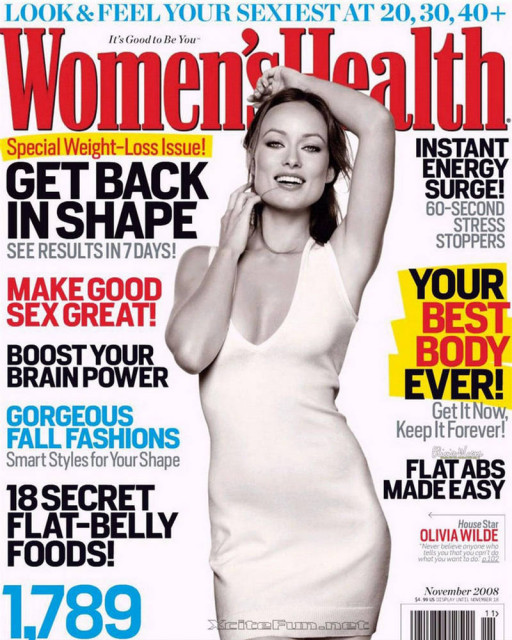
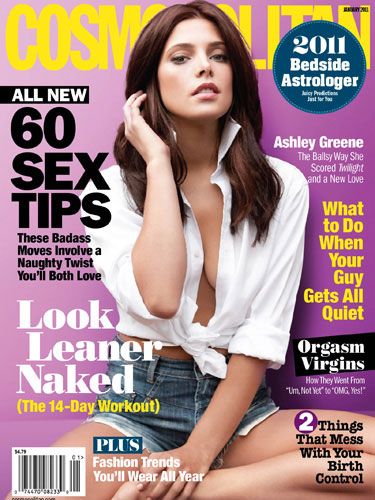
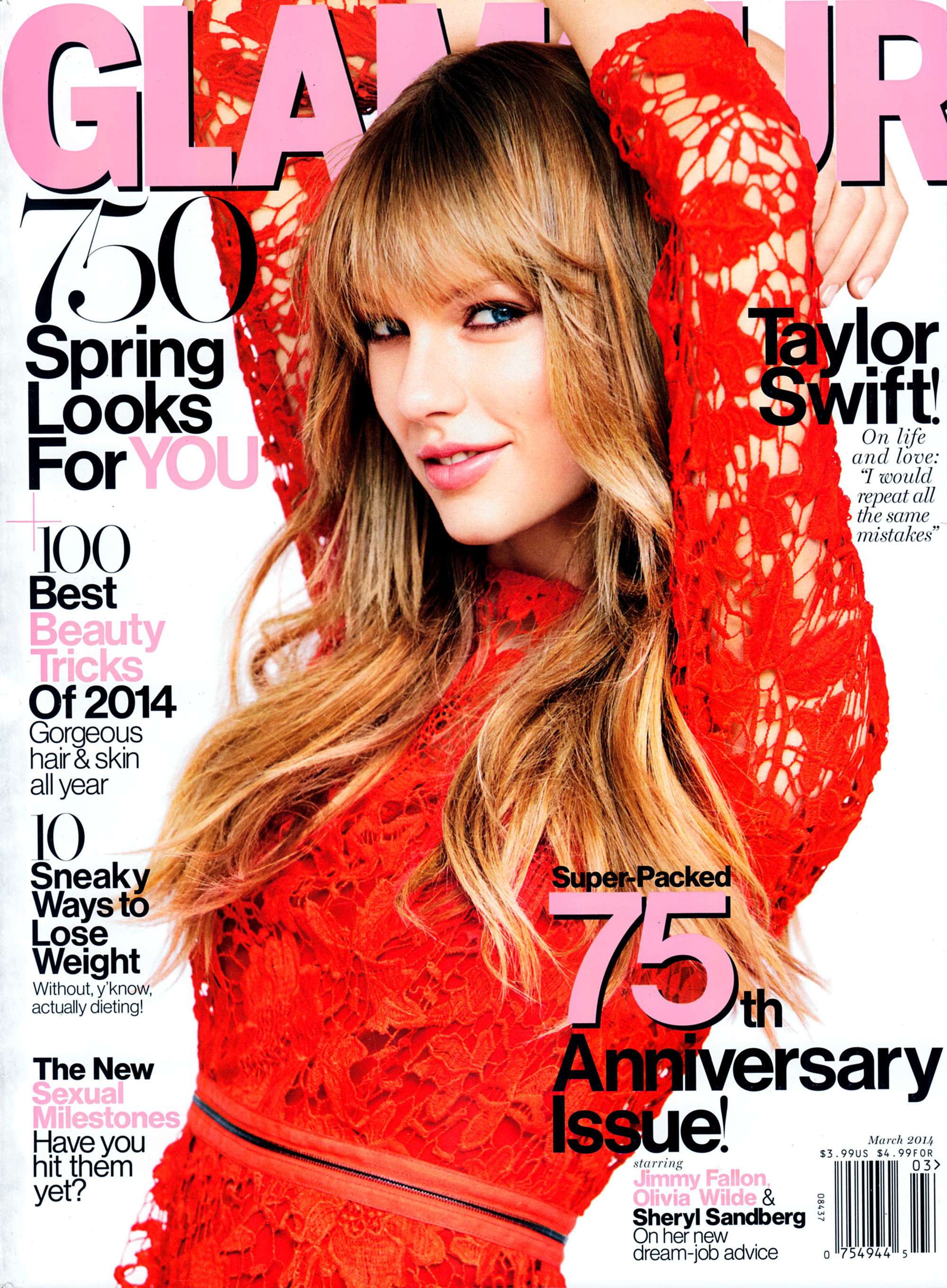
The celebration of women who can somehow transcend their hunger compared to the vilification of women who are voracious is by no means a modern phenomenon: in classical literature from over two millennia ago, the Greeks valorized σωφροσύνηself-controlto the point where Phaedra in Euripides Hippolytus starving herself to death so she doesn't give in to her love for Hippolytus is venerated, while Pandora in Hesiod's Theogony is reviled by mankind because she all she does is sit at home and consume the fruits of man's labors. And in the contemporary western world, wellhave you ever seen women's magazine covers

Hunger is fundamentally a physiological signal to your body that you need to eat; it causes physical pain when denied and for most people, denying or rejecting food when you're hungry feels wrong in a human sense–a crime against nature, the body, the soul, the self. But for some, the ability to "overcome" the primal instinct of hunger can become both a literal and a symbolic demonstration of power and control over the body. In the mind of someone who sees this power struggle, to succumb to that desire is a sign of weakness; they must deny it in order to be in control. Marya puts it like this:
"...you've split yourself in two. One part is the part you're trying to killthe weak self, the body. One part is the part you're trying to becomethe powerful self, the mind. This is not psychosis, this splitting. It is the history of Western culture made manifest. Your ability to withstand pain is your claim to fame. It is ascetic, holy. It is self-control. It is masochism."
Her account of the dichotomy between mind and body and how withstanding the pain of hunger to become better makes sense in some deeply embedded cultural framework. The damnation of women who eat is in our myths and religion and fairy tales when you look for it: if only Persephone didn't eat Hades' pomegranate seeds; if only Eve didn't eat the apple; if only Rapunzel's mother didn't eat the lettuce from the witch's backyard. It's in our media because insecurity sells; I don't even need to be telling you about how pervasive thin culture is because I know you've read or at least heard about those diet tricks and bikini bods and what clothes we should wear to look skinnier. And so the shame and guilt at our existence is perpetuated: "Women use their obsession with weight and food as a point of connection with one another, a commonality even between strangers...we talk ad nauseam about the fact that we don't like our bodies."

Although this is by far the most annotated book I've ever marked up myself, I don't know if I would recommend Wasted or not. This memoir haunted me for weeks because of how much I saw myself relating to her anecdotes and social commentary; even though I've never had an eating disorder, I couldn't stop thinking about just how easily I could see myself succumbing to this mindset if I wasn't naturally thin and received a slightly different upbringing than the one I had. I couldn't not notice the dangerous cocktail of my own neuroses that plague me every once in a while: my personal desire for self-control, pursuit of high-stress environments, anxiety over [nonexistent, improbable, healthy] weight gain, and weird relationship with food and "deserving" to eat. While I've never committed physical violence to myself it scared me how I could imagine it were me. 

Marya is critical but not flat-out accusatory of any and all of the factors that led to her eating disorders. While she contends that the combination of a thinness-obsessed culture, unhealthy relationships with food within her family, a high-pressure school environment, and personal neuroses were all factors that led to her disordered eating, she balances clinical facts and statistics with anecdotal speculation in a way where it seems like she's not quite sure what the source is herself. 

As much as we might want an easy, end-all answer on who or what we can blame as if that will lead us to an easy, end-all solution to eating disorders in general, Marya avoids universalizing her experiences and prescribing a solution because the only truth she can speak to is her own story: this is what happened to me, this is my story, this is what I lived through. The differences between how you and I and every woman deal with desire and appearance and self-esteem and everything in between are infinite; perhaps the most we can ever ask of anyone trying to make sense of it all is by learning through lived experiences so that we can become more conscious and understanding.

xoxo, vivian